Hearing a grinding noise only when braking slowly is never something to ignore. Your braking system is critical to your safety, and unusual sounds often mean something is wearing out or not functioning correctly.
At VST Performance Auto Repair, we see this issue often—and in many cases, catching it early can prevent expensive repairs and keep your vehicle safe on the road.
This guide breaks down the most common causes of grinding during light braking, what each issue means, and when it’s time to have your vehicle inspected.
When you apply the brakes lightly—such as when slowing down in traffic or coming to a stop—your brake pads make gentler contact with the rotors. This lighter pressure can make certain problems more noticeable.
At higher speeds or during harder braking, road noise and increased force can mask these sounds. That’s why grinding at low speeds is often an early warning sign of brake system wear or damage.
Worn Brake Pads (Most Common Issue)
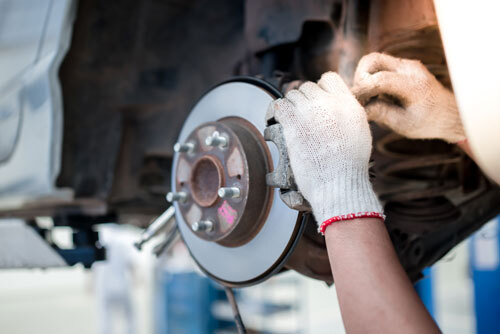
Brake pads are designed to wear down over time. Once the friction material is gone, the metal backing plate contacts the rotor, creating a grinding, metal-on-metal sound.
If caught early, replacing brake pads is straightforward. If ignored, it can damage the rotors and significantly increase repair costs.
Rust or Corrosion on Brake Rotors
In areas with moisture, snow, or infrequent driving, brake rotors can develop rust. Light surface rust typically clears with normal driving, but heavier buildup can cause grinding or scraping noises.
If the noise continues, the rotors may need resurfacing or replacement.
Debris Stuck in the Braking System
Small rocks or debris can get lodged between the pad and rotor, causing a sharp grinding sound—especially noticeable at low speeds.
Sometimes debris dislodges on its own, but if it doesn’t, a quick inspection can resolve the issue and prevent further damage.
Glazed Brake Pads or Rotors
Excessive heat can harden and smooth the surface of brake pads and rotors, reducing friction and causing noise.
This can result from:
Frequent hard braking
Riding the brakes downhill
Lower-quality components
In these cases, resurfacing or replacement may be required.
Brake Caliper Problems
A sticking or uneven caliper can cause one brake pad to wear faster than the other, leading to inconsistent contact and grinding noises at low speeds.
This issue should be addressed quickly, as it can affect braking performance and cause uneven wear or overheating.
Loose or Worn Brake Hardware
Clips, shims, and other hardware keep your brake system stable. If these components loosen or wear out, they can rub against moving parts and create grinding or rattling sounds.
While often a simple fix, ignoring it can lead to more serious wear over time.
In some cases, the noise may come from nearby components that shift under braking, including:
Wheel bearings
Dust shields contacting the rotor
Suspension components
A proper inspection helps pinpoint the exact cause and ensures nothing is overlooked.
Even if your vehicle still stops normally, grinding indicates accelerated wear or damage. Delaying repairs can lead to:
Rotor damage
Increased repair costs
Reduced braking efficiency
Potential safety risks
Addressing the issue early is always the safest and most cost-effective approach.
You can look for a few signs yourself:
Check if brake pads appear thin through the wheels
Look for deep grooves or rust on the rotors
Note when the noise occurs (only braking vs. constant)
These checks can give you a general idea, but a professional inspection ensures an accurate diagnosis.
Grinding noise during slow braking is your vehicle’s way of telling you something isn’t right. Whether it’s worn pads, debris, or a more serious component issue, it won’t fix itself—and it will usually get worse.
At VST Performance Auto Repair, we recommend having your brakes inspected at the first sign of grinding. Early diagnosis can save you money, prevent further damage, and most importantly, keep you safe on the road.